

Answers to common problems encountered by beginners when purchasing weaving bag equipment
Many beginners get stuck at this stage.Woven bag equipmentWhen making a purchase – faced with the vast array of device models available on the market, the huge differences in prices, and all those technical terms, it’s easy to become confused and even end up making mistakes that cost you money. Based on the actual inquiries and experiences of many beginners who have made such mistakes, I have compiled 10 common issues. Instead of using technical jargon, I will answer these questions in plain language, helping beginners avoid detours and choose the right devices for their needs.
Note: This article contains no unnecessary preaching; it addresses the questions that beginners actually face in practice, and these issues are explained in the context of real production scenarios. This approach avoids abstract theories, allowing beginners to apply the information directly after reading it.
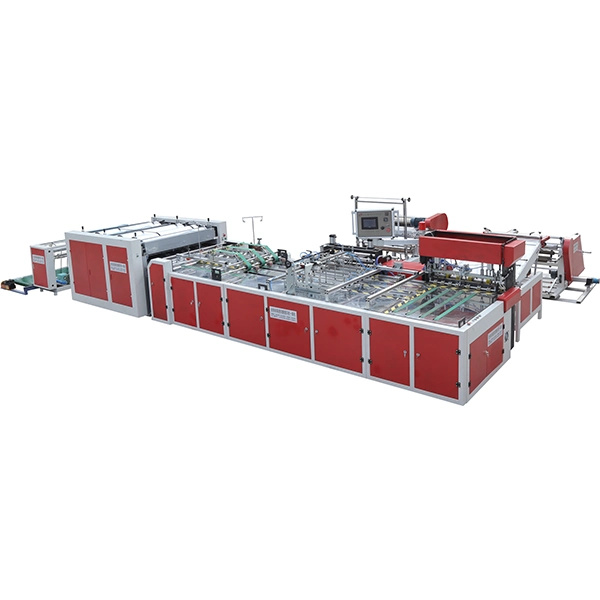
I. For beginners, should they choose fully automatic or semi-automatic bag-making equipment?
This is a question that beginners often ask. There is no absolute good or bad answer; it all depends on your actual needs. The key considerations are two aspects: budget and output.
If you are just starting out and have a limited budget of around 100,000 to 200,000 yuan, and require a low daily production volume of 5,000 to 10,000 units – for example, if you are running a small processing factory or a home-based workshop – then semi-automatic equipment would be sufficient. Semi-automatic machines are easy to operate, quick to learn how to use, require low maintenance costs, and are highly flexible. They can be adapted to different types of woven bags, and even if your production volume increases later on, you can gradually add more equipment for upgrades without having to invest a large amount of money all at once.
If you have sufficient budget (over 300,000 yuan) and plan to expand production on a large scale, with a daily output of more than 15,000 units – for example, to handle bulk orders from agricultural supplies or building materials suppliers – it is recommended to invest in a fully automated production line. Fully automated equipment can reduce labor costs (only 1-2 people are needed to operate the entire line), improve production efficiency, and ensure that the product specifications are more consistent. This approach also offers greater potential for profitability in the long run. However, the initial investment is high, and maintenance requires certain technical expertise. Therefore, it is more suitable for beginners who have long-term planning goals.
Important reminder: Don’t blindly pursue “fully automatic” equipment. Many beginners tend to buy fully automatic machines at the very beginning, only to find that their order volume grows too fast and the equipment remains idle, thus increasing their financial burden. Similarly, don’t just go for semi-automatic machines just because they are cheaper. If the order volume suddenly increases later on and the equipment’s production capacity is insufficient, you will miss out on many customers.
II. With limited budget, is it more cost-effective to buy new equipment or second-hand equipment?
Newbies often struggle with this issue because they are essentially afraid of taking risks or wasting money. My advice is to give priority to buying new equipment, unless your budget is extremely tight and you can find a reliable source for second-hand items.
The advantages of new equipment are obvious: they come with comprehensive after-sales support (usually a warranty period of 1-2 years), and in the event of future malfunctions, technicians can be dispatched to perform repairs on-site, eliminating the need for users to spend a lot of money hiring professionals. Moreover, new equipment is known for its stable performance, so there is no risk of it breaking down shortly after purchase. This ensures uninterrupted production, and for beginners, reliability is of utmost importance.
The only advantage of second-hand equipment is its low cost, which can help save around half of the budget. However, the associated risks are extremely high. Many second-hand devices are old and obsolete, and they come without any after-sales support. Once a problem arises, it is very difficult to find suitable replacement parts, and the cost of repairs may even be higher than the price of the equipment itself. More importantly, since beginners often lack knowledge about the performance of these devices, they are at a high risk of purchasing “reconditioned” or faulty units, which could prevent them from making any progress at all.
Additional note: If you really consider purchasing used equipment, it is essential to get it recommended by someone you know, or to test the device in person to ensure that it functions properly. It is also advisable to obtain simple maintenance instructions; signing a contract can help avoid any potential disputes in the future.
III. What are the core components of woven bag manufacturing equipment? What should beginners focus on when considering such equipment?
Many beginners, when making their purchases, are led astray by sellers who focus their attention on various irrelevant parameters. In fact, the core of any bag-making equipment consists of just three key components. By focusing on these three aspects, one can basically avoid making mistakes.
1. Drawing machine: This is the “starting point” in the production of woven bags. It is responsible for converting plastic pellets into filaments, which directly affect the thickness, strength, and appearance of the woven bags. For beginners, it is important to pay attention to the motor power of the drawing machine (the higher the power, the more efficient the filament drawing process) and the quality of the die head (the die head determines the uniformity of the filaments). It is advisable to choose a drawing machine with a reputable motor brand and a die head that is less prone to wear, in order to reduce replacement costs in the long run.
2. Circular looms: These machines are responsible for weaving the drawn fibers into fabric. The key factors determining their performance are the number of needles and the rotational speed. The more needles there are, the finer and stronger the woven fabric will be; the higher the rotational speed, the greater the production efficiency. Beginners should not aim for extremely high numbers of needles or rotational speeds but should choose models that meet their specific production needs. For example, small processing plants can easily suffice with circular looms that have 4 or 6 needles.
3. Cutting machine: This machine is used to cut woven fabric into specified dimensions and then sew the bottom and seal the edges. The key aspects to consider are the cutting accuracy and the strength of the seams. When beginners are choosing a cutting machine, they should try it out in person to check whether the cut edges of the bags are neat and whether the seams are prone to coming undone, in order to avoid problems with substandard products later on.
Additionally, don’t be fooled by the “flashy” features offered by manufacturers. For example, some irrelevant automated accessories are of little use to beginners and may even increase the overall cost of the equipment.
IV. For woven bags of different specifications, is it necessary to purchase separate equipment for each type?
No need! Many beginners mistakenly think that in order to produce woven bags of different sizes, such as 50cm or 80cm, they need to purchase separate equipment for each size. In fact, this is completely unnecessary, as most equipment can be adjusted to produce bags of various dimensions.
For example, with a circular knitting machine, it is possible to produce woven fabrics of different widths by adjusting the size of the needle筒; similarly, a cutting and sewing machine can be adapted to weave bags of various sizes by adjusting the cutting length and the sewing position. As long as the requirements do not involve special specifications (such as extremely wide or long woven bags), ordinary equipment for weaving bags can generally meet the needs.
When novice buyers are making their choices, they simply need to ask the seller clearly about “the range of specifications that the equipment can support” to ensure that it can handle the sizes of the woven bags they plan to produce. This way, there is no need to spend extra money on multiple pieces of equipment, thus saving on the budget.
V. There is a significant difference in the prices of various devices. What exactly is the difference between the cheap ones and the expensive ones?
Of the same type available in the marketWoven bag equipmentThe prices can differ by tens of thousands, or even over a hundred thousand yuan. Newbies are often attracted by lower prices, but in reality, you get what you pay for. The main differences lie in three areas; don’t try to save money at the expense of quality, or you might end up suffering significant losses.
1. Quality of core components: In cheaper equipment, the core components such as motors, die heads, and syringes are often from unknown brands. These components are made of inferior materials and are prone to wear and tear. For example, motors tend to overheat easily, die heads are likely to get clogged, and syringes may experience needle breakages. As a result, frequent repairs are required, which can actually disrupt production. In contrast, more expensive equipment usually uses well-known brands for its core components. These components are made of durable materials and perform stably, resulting in lower maintenance costs over time.
2. Production efficiency: Inexpensive equipment typically features low rotational speeds and low levels of automation. For example, semi-automatic devices require the cooperation of multiple people, resulting in limited daily production volumes. On the other hand, expensive equipment boasts higher rotational speeds and greater automation, which can reduce the need for manual labor and increase production capacity. In the long run, this leads to savings in labor costs and higher profits.
3. After-sales Support: Inexpensive devices generally come with little or no after-sales support, or the response time in case of malfunctions is very slow, leaving users to seek repair services from technicians on their own. More expensive devices, on the other hand, come with comprehensive after-sales services, including on-site repairs and the replacement of spare parts, so beginners need not worry about equipment maintenance issues.
Reminder: When novice buyers are making their choices, they should not focus solely on price. Instead, they need to consider the “long-term implications” and be willing to spend a bit more money on equipment that ensures quality and reliable after-sales service. This will help avoid potential production disruptions caused by equipment failures in the future, which could result in even greater losses.
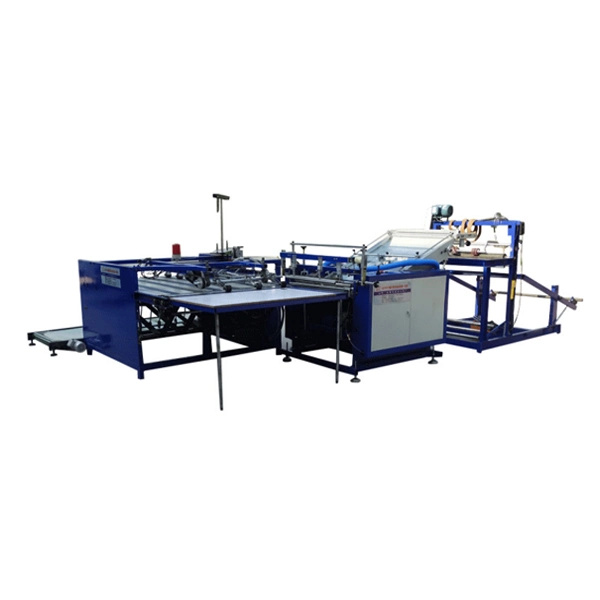
VI. What should beginners do if they lack the necessary skills and don’t know how to operate or maintain the equipment they have purchased?
This is a concern that many beginners have, but in fact, there is no need to worry at all. Reputable equipment manufacturers will provide accompanying services to help beginners overcome any technical difficulties they may face.
1. Operation Training: After the equipment is delivered to your door, the manufacturer will arrange for technical personnel to provide on-site training, guiding you step by step on how to operate the equipment – including how to turn it on and off, how to adjust its settings, and how to perform basic troubleshooting. Generally, it takes 1 to 3 days to become proficient in using the equipment, and even beginners with no prior experience can learn how to use it.
2. Maintenance Guidance: The manufacturer will provide a equipment maintenance manual that details the methods for routine maintenance (such as regular refueling, cleaning the equipment, and checking components). In addition, if you encounter any maintenance-related questions later on, you can contact the manufacturer for assistance, eliminating the need to try to figure things out on your own.
3. After-sales maintenance: As long as it is a legitimate manufacturer, quality assurance services will be provided. Within the warranty period, if the equipment experiences any non-human-caused failures, the manufacturer will come to the site for free repairs and replace damaged parts. New users do not need to bear any maintenance costs.
Key point: When making a purchase, be sure to ask the manufacturer clearly whether they provide services such as training and after-sales maintenance. It is advisable to sign a contract to specify the details of these services, in order to avoid any subsequent disputes or推诿 on the part of the manufacturer.
VII. When establishing a woven bag processing factory, in addition to the core equipment, what other auxiliary equipment is needed?
Many beginners focus only on the core equipment, such as wire drawing machines, circular weaving machines, and slitting machines, while neglecting the auxiliary equipment. As a result, after purchasing the equipment, they are unable to start production normally and have to spend extra money to acquire the necessary auxiliary equipment, which wastes time.
There aren’t many auxiliary devices that beginners necessarily need; in fact, there are mainly three types. You can simply choose one according to your own production requirements.
1. Mixer: If it is necessary to produce woven bags in different colors and from different materials, a mixer is essential. It ensures that plastic pellets are evenly mixed with colorants and additives, thus guaranteeing consistent colors and stable quality of the woven bags. If only woven bags in a single color and made from a single material need to be produced, a mixer may not be required at this time.
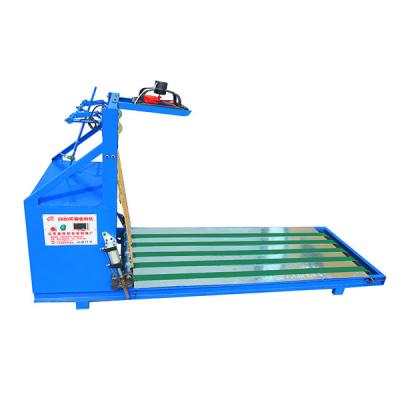
2. Winding Machine: Used to wind the woven fabric, which facilitates subsequent cutting and sewing processes, reduces the need for manual operation, and improves efficiency. It is recommended that beginners purchase this machine together with the weaving equipment; it can save a considerable amount of time.
3. Packing machines: Once the woven bags have been produced, they need to be packaged for storage and transportation. Packing machines can quickly and neatly pack these bags, saving storage space and facilitating transportation – making them ideal for beginners engaged in mass production.
Additional note: It is not necessary to purchase all auxiliary equipment at the beginning; they can be added gradually according to the production progress. For example, if the production volume is low at the start, manual packaging can be used initially. Once the production volume increases later on, then a packaging machine can be purchased, which will help save on initial costs.
VIII. Is the energy consumption of these devices high? How can beginners control energy consumption costs?
Woven bag equipmentEnergy consumption is primarily related to the model of the equipment, the production volume, and the mode of operation. Beginners need not worry too much; as long as they choose the right equipment and operate it in a proper manner, they can effectively control energy consumption costs.
1. Choose energy-efficient equipment: When making a purchase, inquire carefully about the power and energy consumption of the equipment. Give priority to devices equipped with energy-saving motors. For example, many manufacturers currently produce wire drawing machines and circular weaving machines that use energy-saving motors, which consume 10% to 20% less energy than conventional motors. Over the long term, this can result in significant savings on electricity costs.
2. Rational arrangement of production: Try to concentrate production activities as much as possible to avoid frequent start-ups and shutdowns of equipment. After all, the energy consumption during equipment start-up is higher than during normal operation, so concentrating production can help reduce energy waste. Additionally, adjust the production volume according to order requirements to prevent equipment from running idle and thus minimize unnecessary energy consumption.
3. Standardized operation and maintenance: Regular maintenance of the equipment ensures its proper functioning and helps prevent increased energy consumption due to malfunctions. For example, regularly cleaning the equipment to remove dust and checking the operating status of the motors can help keep the equipment in the best condition for optimal performance.
IX. How to determine whether a device manufacturer is reliable? How to avoid buying equipment that lacks any official certifications or markings?
When beginners are choosing equipment, they are worried about encountering manufacturers that produce products without a proper name, address, or production license. In such cases, the quality of the equipment is uncertain, and there is no one to provide after-sales support. Therefore, it is crucial to determine whether a manufacturer is reliable. Remember these three simple methods:
1. Check the qualifications: Reputable manufacturers will possess relevant licenses such as business licenses and production permits, and will be able to provide test reports for their equipment as well as quality assurance agreements – they will not be evasive in providing this information. If a manufacturer is unable to provide such qualifications, it is very likely that they are a small, unlicensed workshop, and the quality of their equipment as well as their after-sales service will not be guaranteed.
2. Check reviews: You can search for the manufacturer’s name online to read what other customers have to say, or consult with peers to learn about the quality of the manufacturer’s equipment and its after-sales service. If many customers report poor quality of the equipment or inadequate after-sales support, it is best to avoid dealing with that manufacturer.
3. Conduct on-site inspections: If conditions permit, you should visit the manufacturer’s facilities in person to observe their production scale and processes, and test the equipment on-site to verify its performance. At the same time, communicate directly with the manufacturer to understand the details of the equipment and the after-sales support offered, in order to avoid being deceived by false advertisements online.
X. What other easily overlooked issues should beginners consider when purchasing equipment?
In addition to the above 9 issues, there are also several minor details that novices tend to overlook, but which can have an impact on subsequent production. It is essential to pay attention to these:
1. Floor area occupied by the equipment: Before starting a new factory, it is essential to plan the size of the workshop in advance. When purchasing equipment, make sure to inquire about its dimensions to ensure that the workshop has enough space to accommodate the equipment and that there is enough operating area left. This will prevent any issues with operating the equipment after it has been installed.
2. Compatibility of accessories: When purchasing equipment, make sure to inquire about the compatibility of its accessories. Try to choose devices whose accessories are easily available, so as to avoid situations where damaged accessories cannot be replaced, thereby preventing disruptions in production.
3. Payment method: Beginners are advised to negotiate with the manufacturer and adopt a payment scheme consisting of a down payment and a balance payment. For example, pay 50% as a down payment, and then pay the remaining amount after the equipment has been installed, tested, and is ready for normal operation. This approach avoids paying the full amount in one go, which could lead to the manufacturer shirking responsibility in case any problems arise with the equipment later on.
When beginners are choosing equipment for weaving bags, the key principles are to “not be blind or greedy for cheap options, but to consider their own needs.” There is no need to pursue high-end equipment, nor should one be misled by technical jargon. By focusing on the four key aspects of “budget, output, quality, and after-sales service” and considering these factors, one can select the right equipment for their own needs.In fact, in the bag-making industry, choosing the right equipment means that half of the success in subsequent production is already guaranteed. Beginners don’t need to worry too much; by making more comparisons, seeking more advice, and conducting on-site inspections, they can avoid taking unnecessary detours.




 鲁公网安备 37162202000141号