

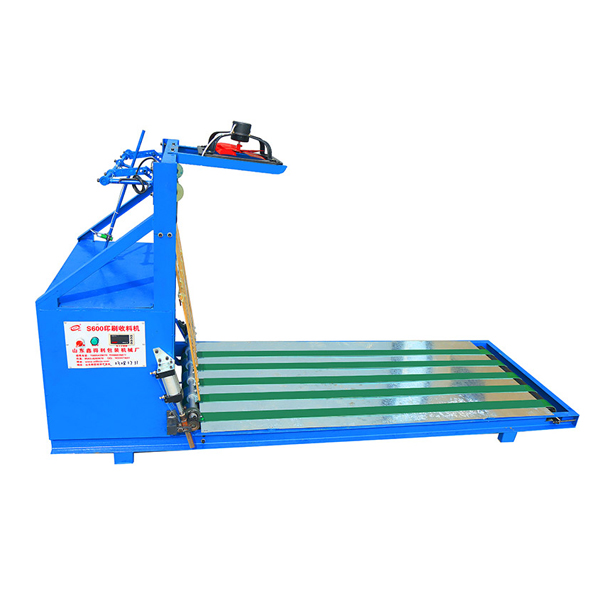
S600 Woven Bag Collector
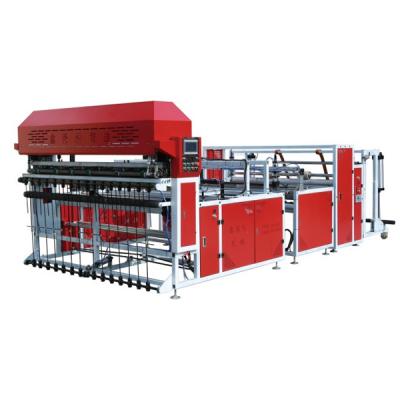
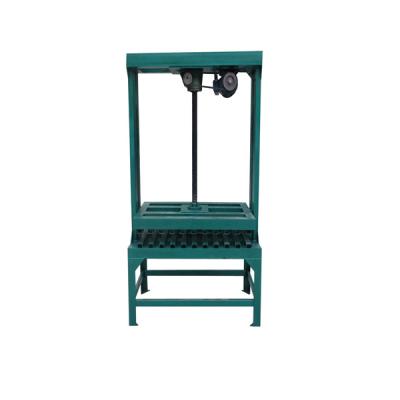
The woven bag collecting machine is an automated device designed for the efficient recycling and sorting of woven bags (such as fertilizer bags, feed bags, grain bags, etc.). Through intelligent mechanical operation, it replaces the traditional manual folding and bundling process, significantly improving work efficiency and reducing labor intensity. It is suitable for industries such as agriculture, chemicals, logistics, and renewable resource recycling.
name |
S600 Printing Bag Collector |
||
Device functions |
1 |
Woven bag collecting machines are suitable for use with various printing presses. |
|
2 |
Easy to use, simple to operate, and saves labor. |
||
3 |
Adjustable bag-collecting speed, smooth bag collection, and neat bag connection. |
||
4 |
Automatic counting, sorting and conveying integrated |
||
Technical parameters |
1 |
Adaptable to woven bag length |
500-1300mm |
2 |
Adapt to woven bag width |
400-800mm |
|
3 |
working speed |
30-40pcs/min |
|
4 |
total power |
200W |
|

The production of plastic woven bags by manufacturers involves a crucial step: the mixing of raw materials. This process directly impacts the quality of the product and is therefore understandable. What problems might arise during the weaving process of plastic woven bag equipment? Today, Yangxin Xindeli Packaging Machinery Factory will explain.
First, methods for repairing and splicing woven bags.
Good geotextiles possess the ability to resist environmental stress cracking, and woven bags are excellent engineering materials for seepage prevention, corrosion prevention, leakage prevention, and moisture prevention, with a promising market prospect. The resilience response of geotextiles reflects their ability to absorb impact energy, which can be approximately measured as the product of the material's tensile strength and elongation.
Woven bags with good temperature resistance to asphalt mixtures have a heat resistance of up to 150 degrees Celsius. At temperatures below this, geotextiles not only do not melt or soften, but require further repair and maintenance. Repair and repair again, joints of the geotextile, and ensure the tab "year-end" is stitched again. In all areas except rock slopes, holes or tears in the bags should be patched with the same material.
Secondly, the packaging and storage methods for woven bags as described by the plastic woven bag manufacturers.
Plastic woven bag manufacturers ensure quality through accurate packaging and storage methods for their finished plastic bags during production.
When packaging, it is necessary to separate bags of different sizes, such as type, model and specifications, bag name, product name, specifications, quantity, specification code and date, starting with 00, starting with 500. Each bag should be labeled and packaged flat to prevent wrinkles. Ideally, it should be stored in a cool, dry place away from fire, heat, and direct sunlight, and cleaned indoors.
Third, methods to improve the flatness of plastic woven bags
The request is not only about the production quality of raw materials, but also about the quality of production. If, for example, a wide-width machine is used, and speed regulation and four shifts are implemented, there should be no contact between the top and bottom to ensure weft balance. This synchronization of the three-dimensional drawing machine, such as for the warp yarns, requires the mechanical speed to match the received fabric structure power from the engine and electrical components to improve the number of teeth on the balancing gears, and from the motor to the tensioning belt smooth shaft. The main improvement is in the circular loom springs, increasing their elasticity, ensuring stable cam and four-card pressure, preventing wire twisting, and making the weaving process smoother.





 鲁公网安备 37162202000141号