

See how a waste woven bag recycling granulator turns waste into treasure.
With the advancement of science and technology and the development of the machinery manufacturing industry, the new type of waste woven bag recycling granulator features automation, precision, high output, energy saving, environmental protection, and multi-purpose functionality, capable of processing both dry and wet materials; at the same time, it can meet the high requirements of continuous operation under high temperature and high pressure.
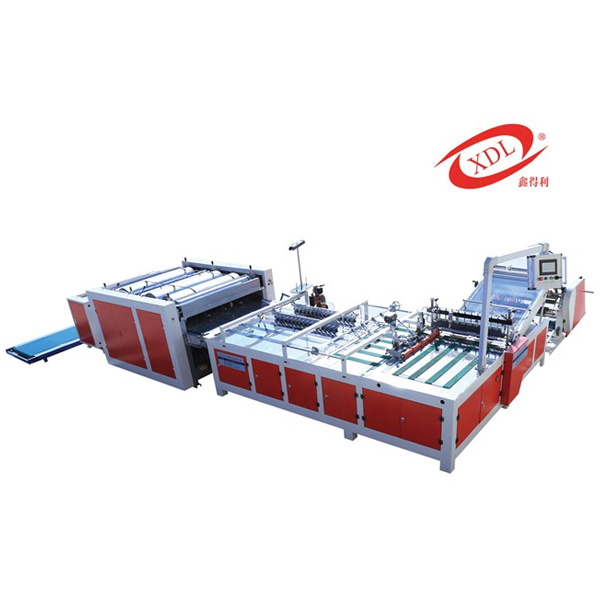
A manufacturer of woven bag heat-cutting and printing integrated machines tells you: The particles produced by the new type of recycled plastic granulator can maximize their use value: for example, recycled granules from waste cement woven bags can be directly used for drawing and winding, and then fed to a circular loom to weave bags; recycled granules from waste agricultural film and convenience bags can be blown into folded roll film by a film blowing machine, and then fed to a bag making machine to make convenience bags; while waste plastic basins, buckets, and appliance shells can be recycled and granulated and directly supplied to injection molding machines.
Waste woven bag recycling granulation machines have gone through several typical stages: primitive processing, traditional machinery, and new equipment.
The original method of recycling waste plastics involved a simple process of melting and shrinking them in a fire to reduce their unit volume and create coarse, blocky recycled material blanks. Because there was no sorting, washing, or filtering, their utilization value was greatly reduced. The resulting recycled material could only be used to make simple, low-grade recycled products such as cement buckets, manure buckets, and packaging box bottoms. This resulted in a significant waste of recycled resources.
Traditional waste woven bag recycling pelletizing machines basically have simple plasticizing and extrusion processing functions. However, these machines are mostly non-standard machinery, made of ordinary materials, with simple screw design and structure, small length-to-diameter ratio, and poor dewatering and degassing functions. They cannot achieve accurate automatic temperature control and still use coal or gas heating, generating a large amount of secondary pollution. A traditional recycling machine can only process one type of material and cannot realize its multi-purpose function. Moreover, the produced pellets have poor texture and color, which prevents the full realization of the recycling value of waste plastics.




 鲁公网安备 37162202000141号