

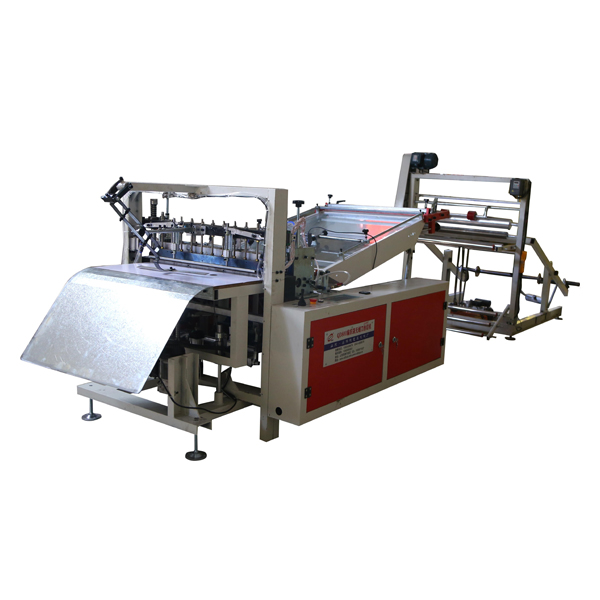
Smokeless hot cutting machine
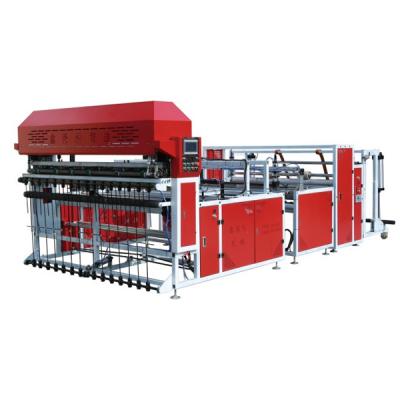
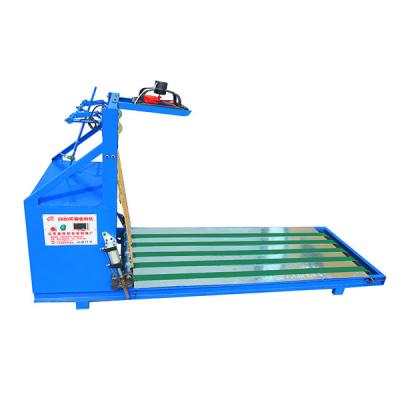
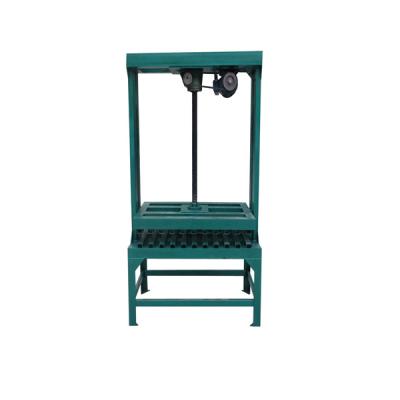
Smokeless hot cutting machineIt is a key piece of equipment for the post-processing of woven bags. It is designed for the cutting needs of woven bag materials such as PP and PE. It integrates high-frequency hot cutting technology and a smokeless purification system. It completes the cutting by releasing high temperature instantly through a special blade. At the same time, it uses a built-in purification device to adsorb trace gases generated during processing, so as to achieve smokeless and odorless cutting operations.
I. Product Overview
Smokeless hot cutting machineThis is a key piece of equipment in the post-processing of woven bags, specifically designed for cutting PP, PE, and other woven bag materials. It integrates high-frequency hot cutting technology with a smokeless purification system. A specially designed blade instantly releases high temperatures to complete the cut, while a built-in purification device adsorbs trace amounts of gas generated during processing, achieving smokeless and odorless cutting operations. This equipment overcomes the pain points of traditional cutting equipment, such as "many rough edges and high pollution," achieving full automation from feeding, positioning, cutting to collection. It can precisely adapt to woven bag production lines of different widths and thicknesses, efficiently meeting the cutting needs of flat bags, valve bags, and irregularly shaped bags. It is a core piece of equipment for woven bag manufacturers to achieve green and standardized production.
2. Core advantages
1. Green, smokeless, and more environmentally friendly: Equipped with a high-efficiency purification module and negative pressure adsorption system, the small amount of volatile substances generated during the cutting process are filtered out in time. The workshop is free of smoke and irritating odors, fully complying with national environmental emission standards. This not only protects the health of operators but also helps companies avoid environmental compliance risks.
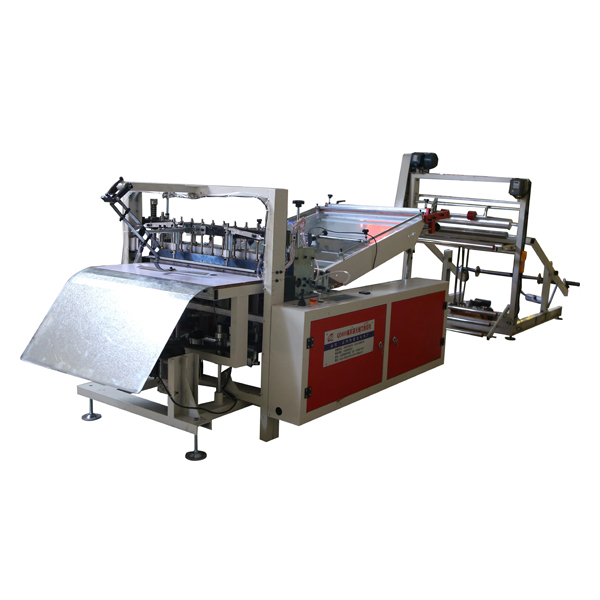
2. Superior cutting quality: The high-frequency hot cutting head has a stable and controllable temperature, and can heat-seal the edges of the woven bag instantly during cutting, effectively avoiding the problems of rough edges and loose threads in traditional cutting. The edges are flat and smooth and not easy to crack, greatly improving the appearance and durability of the finished woven bag.
3. Intelligent, efficient, and labor-saving: Equipped with a high-definition vision positioning system, it can automatically identify the cutting marks on woven bags with minimal positioning error. Combined with a continuous feeding mechanism, it achieves high-speed cutting, increasing efficiency by more than 60% compared to traditional equipment. The equipment's operation panel is simple and easy to understand, supports parameter memory function, allowing beginners to quickly get started and easily achieve "one person managing multiple machines," reducing labor costs.
4. Stable, durable and low cost: The cutter head is made of a special high-temperature resistant alloy material, which has a low wear rate and a long service life, reducing downtime losses due to frequent cutter replacements; the core components of the machine body have been reinforced to withstand 24-hour continuous operation intensity, with a long maintenance cycle, and the overall operating cost is reduced by about 30% compared with similar equipment.
3. Application fields
With its advantages of precise cutting and environmental friendliness, this equipment is widely used in various woven bag production scenarios: in the agricultural sector, it is suitable for cutting fertilizer bags, seed bags, and pesticide bags, and the sealing effect can prevent material leakage; in the industrial sector, it meets the high-strength cutting requirements of cement bags, building material packaging bags, and chemical raw material bags, with strong edges and durable handling; in the grain storage sector, it is used for cutting and processing rice bags, flour bags, and miscellaneous grain bags to avoid loose fibers contaminating food; it is also suitable for the mass production of lightweight woven bags such as express delivery bags and shopping bags, helping enterprises improve production capacity and product competitiveness.





 鲁公网安备 37162202000141号